
German Car Repair That Protects Performance
A warning light in a BMW, a rough shift in a Mercedes, or weak air conditioning in an Audi is rarely a problem to ignore until the next service. German car repair works best when the cause is identified early, using the right diagnostic equipment and a technician who understands how the vehicle’s systems work together. A quick fix may remove a symptom, but a proper repair protects performance, safety, and long-term ownership costs.
German vehicles are engineered with tightly integrated mechanical, electrical, and software systems. That is part of what makes them rewarding to drive. It is also why choosing a workshop based only on the lowest quote can become expensive. The right repair process starts with accurate diagnosis, clear communication, and a repair recommendation that makes sense for the vehicle’s age, condition, and intended use.
Why German Car Repair Requires a Different Approach
BMW, Mercedes-Benz, Audi, Porsche, Volkswagen, and other German brands use advanced control modules, sensors, turbocharged engines, sophisticated transmissions, and electronic safety systems. A fault in one area can trigger symptoms somewhere else. For example, an engine misfire may be caused by ignition components, fuel delivery, carbon buildup, a vacuum leak, or a sensor reading that is outside specification.
Replacing parts without testing is not diagnosis. It can lead to unnecessary expense and leave the original issue unresolved. A specialist workshop should read fault codes, but it should also verify live data, inspect related components, conduct road tests when appropriate, and confirm the repair after the work is complete.
Software is another major consideration. Many German vehicles need coding, calibration, adaptation, or programming after certain repairs. Replacing a battery, electronic steering component, transmission part, or control module may require more than installing the new part. If the vehicle is not correctly programmed afterward, warning lights, poor drivability, or reduced system performance can follow.
The Warning Signs That Deserve Prompt Attention
Not every dashboard alert means a major failure, but it does mean the vehicle needs attention. Continuing to drive with an engine warning light, overheating message, brake alert, or transmission warning can turn a manageable repair into a larger one.
Pay attention to changes in how the car starts, accelerates, brakes, steers, shifts, or cools. A delayed gear change, vibration under acceleration, coolant loss, oil leaks, burning smell, or repeated need to top up fluids should be inspected. The same applies to intermittent electrical issues, such as a screen that restarts, parking sensors that fail, power windows that behave inconsistently, or a battery that goes flat without an obvious reason.
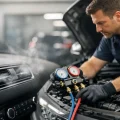
Air conditioning deserves particular attention in hot climates. Poor cooling can be caused by low refrigerant, a leaking component, compressor trouble, blocked airflow, an electrical fault, or a cabin filter issue. Adding refrigerant without identifying a leak may provide temporary relief, but it is not a complete repair.
Do Not Treat Warning Lights as a Diagnosis
A diagnostic scan is an essential first step, not a final answer. Fault codes indicate where the vehicle detected an abnormal condition. They do not automatically identify the failed part. A dependable technician uses codes as evidence, then tests the relevant system before recommending repairs.
This approach matters especially for intermittent faults. A warning may disappear after restarting the car, yet the underlying problem can remain. Keeping a note of when the issue occurs – such as during cold starts, highway driving, braking, or high temperatures – can help the workshop reproduce and diagnose it efficiently.
What a Proper German Car Repair Process Looks Like
A trustworthy workshop does not begin major work with vague promises or surprise charges. It should inspect the vehicle, explain the findings in plain language, and provide an estimate before proceeding. If additional faults are found after disassembly, you should be contacted with the reason, cost impact, and available options.
The repair itself should match the job. Routine maintenance may involve approved-quality filters, fluids, and wear items. More complex work, such as engine repair, transmission repair, suspension restoration, cooling-system service, or electrical diagnosis, requires specialized tools and experienced hands. The objective is not simply to get the car moving again. It is to restore dependable operation without creating new faults.
Parts selection also involves judgment. Original equipment and high-quality aftermarket parts can both have a place, depending on the component and the vehicle. Safety-critical, electronic, and high-load components often justify a more conservative choice. For some maintenance items, a quality alternative can offer good value. An honest service advisor should explain the difference rather than push a one-size-fits-all option.
After repairs, the vehicle should be checked for leaks, fault codes, correct fluid levels, and expected system operation. Where needed, adaptations and calibrations should be completed. This final verification is one of the clearest signs that a workshop takes workmanship seriously.
Maintenance Is the Best Form of German Car Repair
Preventive maintenance is less dramatic than an engine or transmission repair, but it is often what prevents those larger repairs. German cars respond well to service schedules tailored to their mileage, age, driving conditions, and service history. A vehicle used for frequent short trips, heavy traffic, high temperatures, or long idling periods may need attention sooner than the factory interval suggests.
Oil service is a good example. The correct oil specification, filter quality, and oil-change interval matter. Extending intervals too far can contribute to sludge, turbocharger wear, timing-component issues, and poor engine health over time. The same principle applies to coolant, brake fluid, transmission fluid, spark plugs, belts, filters, and suspension inspections.
A thorough maintenance visit should look beyond the immediate service item. Technicians should inspect for fluid leaks, worn bushings, uneven tire wear, weak batteries, aging hoses, brake condition, and stored fault codes. Catching a minor cooling-system leak or deteriorating suspension component early is generally less costly than waiting for a roadside failure or secondary damage.
Maintenance Should Fit the Vehicle, Not Just the Calendar
There is no single schedule that suits every BMW, Mercedes, Audi, or Porsche. A newer vehicle with documented maintenance may need routine care and monitoring. An older vehicle with incomplete history may benefit from a more detailed inspection and a prioritized repair plan.
That prioritization matters. A customer should know what requires immediate attention for safety or reliability, what should be addressed soon, and what can reasonably be monitored. Clear priorities help owners make informed decisions without feeling pressured into unnecessary work.
Choosing a Workshop You Can Trust
The best workshop relationship is built on clarity. Look for technicians with experience in your vehicle brand, proper diagnostic capability, and a willingness to explain findings without technical jargon. Ask whether estimates are provided before work begins, whether the shop can handle coding and programming when needed, and how repairs are checked before handover.
Turnaround time matters, but speed should not replace careful diagnosis. A workshop that takes time to test a complex fault may save you from repeated visits and repeated parts replacement. Convenience also matters for busy owners, particularly when pickup and drop service can keep a repair from disrupting work or family commitments.
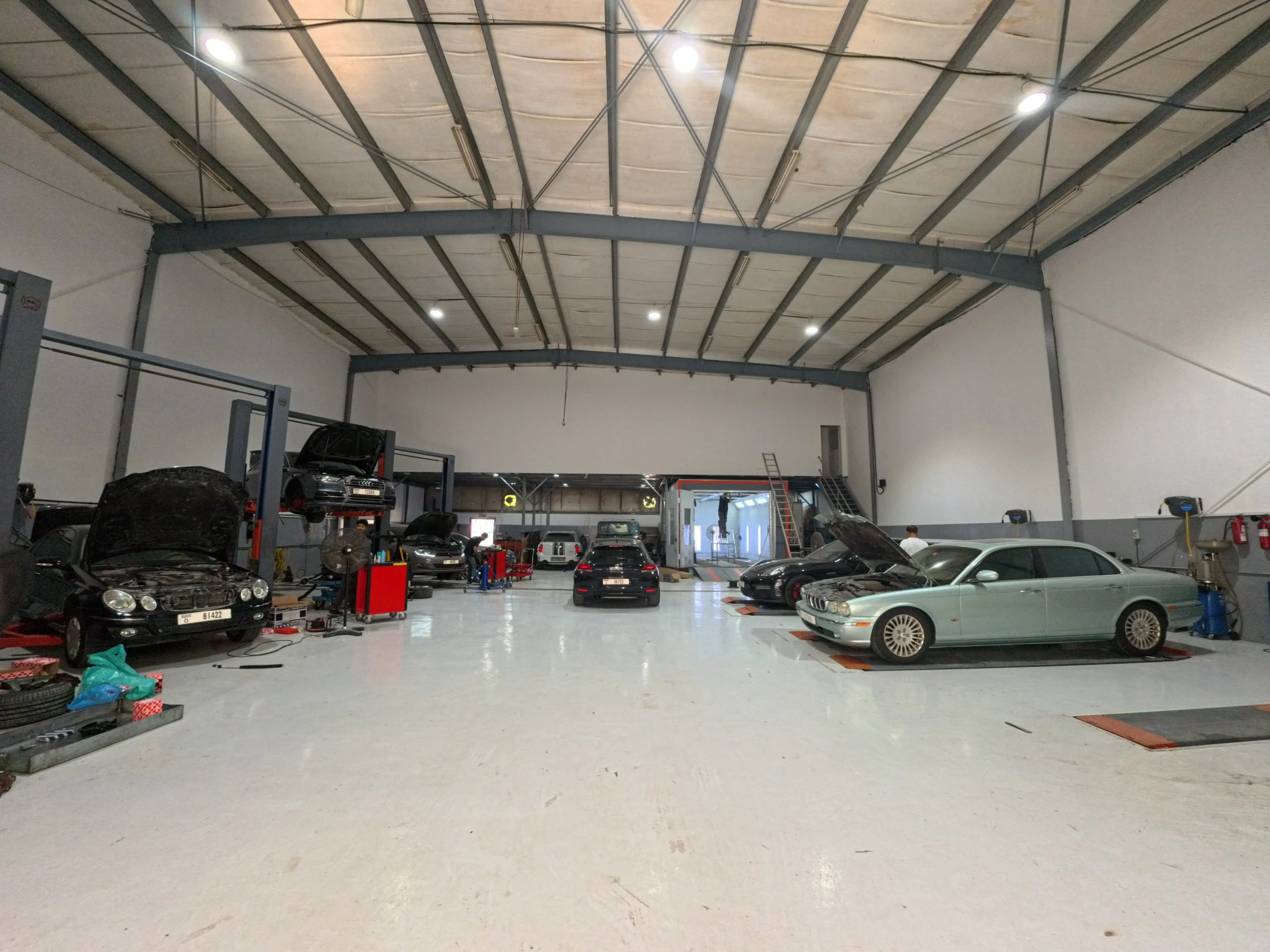
For German car owners in Dubai and Sharjah, AMA Auto provides end-to-end support from scheduled maintenance and diagnostics to engine, transmission, AC, suspension, electrical, and cosmetic work. The focus should always remain the same: explain the issue clearly, recommend only what the vehicle needs, and complete the work to a standard that supports dependable driving.
A German vehicle does not need dealership pricing to receive specialist-level care, but it does need more than guesswork. Address small changes early, insist on a clear estimate, and choose a repair team that treats accurate diagnosis and final quality checks as part of the job, not optional extras.