Dealership vs Independent German Garage Costs
A warning light on a BMW or Mercedes can lead to two very different service experiences. In the dealership vs independent German garage decision, the better choice is not automatically the cheapest quote or the most familiar name. It comes down to the age of the vehicle, the repair required, warranty status, diagnostic capability, parts quality, and how clearly the workshop explains the work.
For German vehicle owners, this choice matters because Audi, BMW, Mercedes, Porsche, and Volkswagen models are built around sophisticated electronics, tightly integrated systems, and manufacturer-specific repair procedures. Good service protects performance and resale value. Poor diagnosis can turn a manageable fault into a cycle of replacement parts and repeat visits.
Dealership vs Independent German Garage: The Real Difference
A dealership is directly connected to a vehicle manufacturer. It typically follows factory procedures, uses manufacturer diagnostic platforms, receives technical bulletins, and has access to genuine parts through official channels. For a new vehicle or a warranty-related concern, these are meaningful advantages.
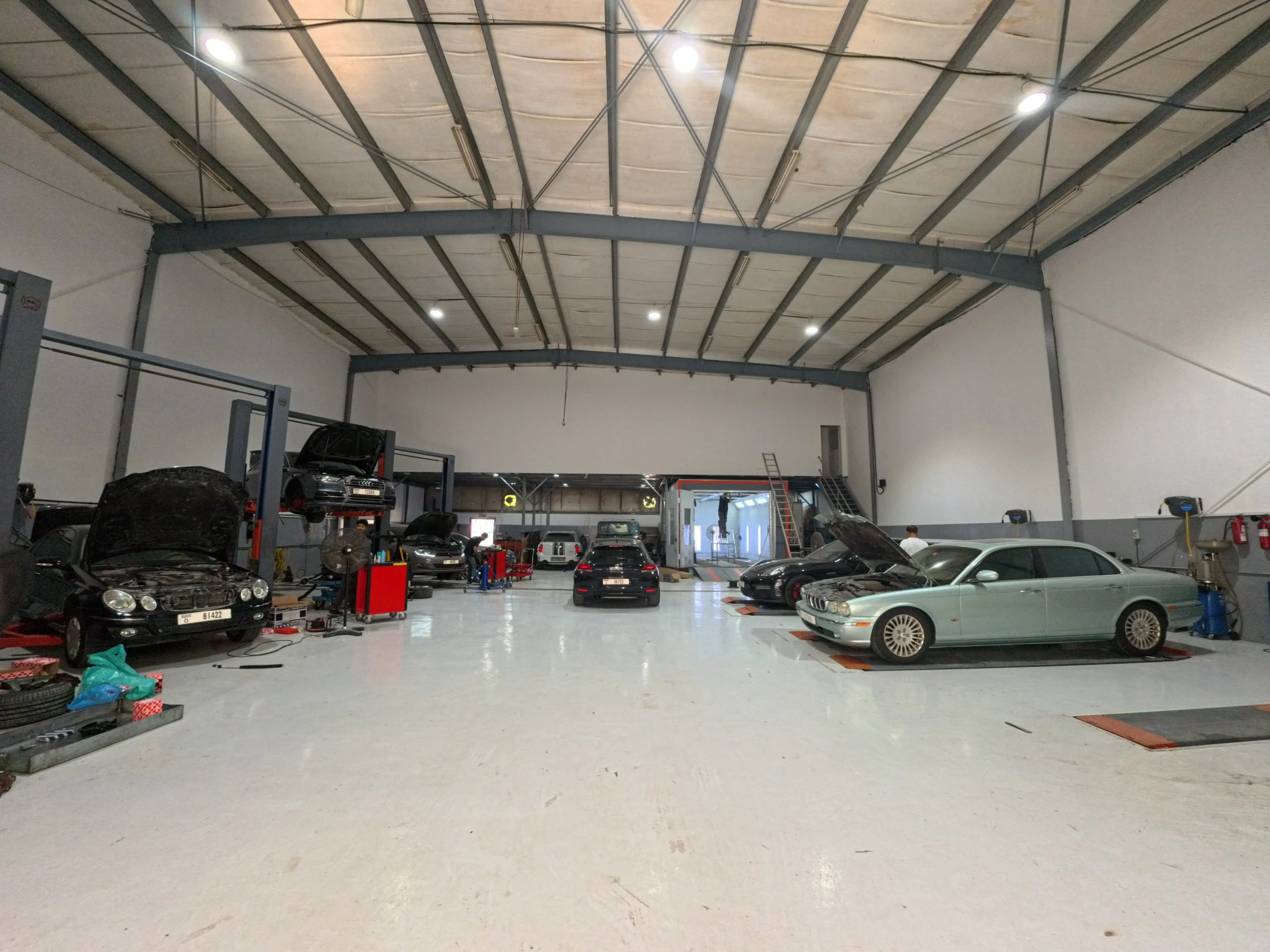
An independent German garage operates outside the dealer network but may specialize deeply in particular brands. The right independent workshop invests in advanced diagnostic equipment, experienced technicians, technical data, coding capability, and reliable original-equipment or genuine parts sources. Its advantage is often a more flexible, direct, and cost-conscious approach to maintenance and repair.
The key distinction is not simply dealer versus non-dealer. It is whether the workshop has the knowledge, equipment, processes, and accountability needed for your specific vehicle and issue. A general repair shop may be perfectly capable of basic maintenance, while a German-car specialist is better positioned for complex engine, transmission, electrical, suspension, and programming work.
When a Dealership Is the Better Choice
A dealership is usually the sensible option when your vehicle is still covered by a manufacturer warranty, extended warranty, recall, or service campaign. Warranty repairs often require dealer authorization and manufacturer documentation. Using the dealer can prevent unnecessary uncertainty about coverage.
Dealers are also useful when there is a brand-new model with a recently released system, a software update tied to a manufacturer campaign, or an issue requiring factory escalation. Their direct access to manufacturer support can be valuable in unusual cases where standard diagnostic procedures do not identify the fault.
There is also peace of mind in a complete dealer service history for some owners, particularly those with newer, high-value vehicles they intend to sell or trade soon. A dealer stamp may be attractive to certain buyers, although detailed invoices showing quality specialist maintenance can also demonstrate responsible ownership.
These benefits do not mean every service visit needs to happen at a dealership. Routine oil services, brakes, AC repairs, tires, suspension work, battery replacement, diagnostics, and many mechanical repairs can often be completed to a high standard by an established independent specialist.
Where an Independent German Specialist Adds Value
An independent garage can offer a more personal repair process. Instead of speaking only to a service advisor, owners may be able to discuss the symptoms, diagnostic findings, repair choices, and maintenance priorities with people closer to the work itself. That direct communication is especially helpful when a vehicle has an intermittent electrical issue, rough shifting, cooling problem, oil leak, or recurring check-engine light.
Cost is another practical factor. Dealership operating structures are typically larger, and labor rates, parts pricing, and standardized service packages can reflect that. A qualified independent German garage may provide competitive pricing by offering appropriate parts options and focusing on the repair your vehicle actually needs rather than replacing components prematurely.
That does not mean choosing the lowest estimate. A low quote can omit diagnostic time, fluids, seals, programming, calibration, or related parts required to complete the job correctly. A transparent independent workshop should explain what is included, identify recommended work separately from urgent repairs, and provide an estimate before moving ahead.
Specialist independents can also be particularly effective for out-of-warranty vehicles. As German cars age, owners often need practical decisions about repair value. A good technician can explain whether a repair should use genuine parts, original-equipment parts, or a quality aftermarket alternative, based on the component, vehicle condition, and expected ownership period.
Diagnostics Matter More Than the Workshop Sign
Modern German vehicles do not respond well to guesswork. One fault code rarely tells the whole story. A code may point to a failed sensor, but the real cause could be wiring damage, a vacuum leak, weak battery voltage, a software issue, carbon buildup, or a mechanical fault affecting the same system.
Accurate diagnosis requires more than a basic scan tool. It may involve live data analysis, wiring tests, pressure testing, smoke testing, road testing, module communication checks, service information, and, where appropriate, coding or programming. This is why owners should ask how the workshop will confirm the cause before authorizing expensive parts replacement.
For BMW, Mercedes, Audi, Porsche, and Volkswagen vehicles, a workshop should also understand service resets, battery registration, module adaptations, electronic parking brake procedures, calibration requirements, and manufacturer-specific maintenance intervals. Skipping these steps can create new warning lights or reduce the effectiveness of the repair.
At AMA Auto, the focus is on identifying the underlying issue before recommending a repair. That approach is valuable whether the concern is a minor dashboard warning, weak air conditioning, a transmission fault, or major engine work.
Parts: Genuine, Original Equipment, or Aftermarket?
Parts discussions can make dealership pricing appear straightforward, but there are legitimate choices beyond the dealer counter. Genuine parts are supplied in the vehicle manufacturer’s packaging. Original-equipment parts are made by the same manufacturer or to equivalent specifications, often without the vehicle brand packaging. Aftermarket parts vary widely in quality.
For safety-critical systems, complex electronics, sensors, engine timing components, transmission parts, and components with known fitment sensitivity, genuine or high-quality original-equipment parts are often the sensible route. Saving a small amount on a poor-quality sensor or cooling component can result in repeat labor and another breakdown.
For other items, a reputable aftermarket option may offer good value. The important point is that the workshop should tell you what it is fitting and why. If an estimate only says “parts,” ask for the brand, warranty terms, and whether alternatives are available.
Questions to Ask Before Booking Service
The best workshop will welcome reasonable questions. Before you approve work, ask whether the technicians regularly service your make and model, what diagnostic equipment they use, and whether coding or programming can be completed in-house. Ask for a written estimate that separates diagnosis, labor, parts, fluids, taxes, and any additional repairs that may be discovered.
You should also ask about workmanship and parts warranty, expected turnaround time, and whether the shop will contact you before exceeding the approved estimate. For larger jobs, such as engine repair, transmission repair, or accident-related work, request a clear explanation of the repair scope and the reason each major component is being replaced.
Communication is often the clearest sign of quality. A professional workshop does not pressure you into every recommendation. It explains the condition of the vehicle, prioritizes safety and reliability concerns, and gives you enough information to make a confident decision.
Choosing for Your Vehicle, Not Just Your Budget
There is no single answer for every owner. A nearly new Mercedes with an active warranty and a manufacturer campaign may belong at the dealership. A six-year-old BMW needing suspension work, brake service, diagnostics, or AC repair may be better served by a well-equipped independent German specialist. A high-mileage Audi with several age-related concerns needs a workshop that can prioritize repairs honestly instead of treating every recommendation as equally urgent.
The right choice should protect both the car and your budget. Look for proven German vehicle experience, accurate diagnosis, clear estimates, suitable parts, trained technicians, and a workshop that stands behind its work. Before approving the next repair, ask for the evidence behind the recommendation and the options available. A trustworthy answer is often worth more than a low initial quote.