
When to Replace Car Suspension and Why It Matters
A car that suddenly feels loose over bumps, pulls during braking, or bounces after a speed hump is giving you useful information. Knowing when to replace car suspension is not just about restoring a comfortable ride. It protects tire life, braking stability, steering control, and the confidence you need behind the wheel.
Suspension problems are often gradual, which is why drivers can adapt to them without realizing how much their vehicle has changed. A professional inspection is the safest way to separate normal road feel from worn shocks, damaged bushings, weak springs, or a more serious steering issue.
When to Replace Car Suspension: The Main Warning Signs
Suspension is a system, not one part. Depending on the vehicle, it includes shocks or struts, coil springs, control arms, bushings, ball joints, sway bar links, mounts, and sometimes adaptive dampers or air suspension components. One worn part can affect the rest, so the symptoms matter more than a single mileage number.
You should arrange an inspection when you notice several of these changes:
- The car continues bouncing or rocking after crossing a bump or speed hump.
- The front end dips heavily under braking, or the rear squats noticeably when accelerating.
- The vehicle leans more than usual through turns or feels unsettled in lane changes.
- Steering feels vague, wanders on a straight road, or requires frequent corrections.
- You hear clunks, knocks, creaks, or rattles over uneven surfaces.
- Tires show uneven wear, especially cupping, scalloping, or excessive wear on one edge.
- One corner of the vehicle sits lower than the others.
- You see fluid leaking from a conventional shock absorber or strut.
A single noise does not always mean the entire suspension needs replacement. A loose sway bar link can create a sharp knock, while a worn control arm bushing may cause a dull thud or instability under braking. Accurate diagnosis prevents the common mistake of replacing expensive parts before identifying the actual source.
There Is No One Replacement Interval
Shocks and struts often lose effectiveness slowly. Some vehicles show meaningful wear around 50,000 miles, while others continue performing acceptably for much longer. Driving conditions, vehicle weight, tire condition, road quality, and driving style all change the timeline.
Frequent potholes, rough construction zones, hard speed humps, and repeated curb contact place extra strain on suspension components. Heat also affects rubber bushings and seals over time. For drivers in Dubai and Sharjah, a vehicle that regularly encounters uneven service roads or carries passengers and luggage may need attention sooner than its service schedule suggests.
Springs are different. They do not normally wear out in the same way as dampers, but they can crack, sag, or lose ride height. Bushings can harden and split with age. Ball joints and control arms can develop play. This is why a mileage-based decision alone is incomplete. The right question is whether the system is still controlling wheel movement safely and correctly.
Why Worn Shocks and Struts Affect More Than Comfort
Shocks and struts control the movement of the springs. When they weaken, the tire has more difficulty staying firmly in contact with the road after a bump. That can increase stopping distances on uneven surfaces and reduce stability during quick maneuvers.
The effect may be subtle in normal city driving. It becomes clearer during emergency braking, high-speed highway travel, or cornering with passengers in the vehicle. A car can still be drivable while its suspension is worn, but “drivable” is not the same as performing as designed.
Worn dampers can also damage tires. The repeated up-and-down movement of the wheel may create cupping patterns across the tread. Replacing tires without correcting the underlying suspension issue can lead to the same wear pattern returning on the new set.
Sounds, Vibrations, and Handling Changes Need Proper Diagnosis
Not every vibration comes from suspension. Tire imbalance, bent wheels, worn engine mounts, brake issues, and drivetrain faults can create similar symptoms. Likewise, a pull to one side may be caused by alignment, a sticking brake caliper, tire pressure differences, or suspension wear.
A proper inspection should include a road test where appropriate, a visual check for leaks and damaged rubber, and a hands-on assessment for movement in joints and bushings. The technician should also inspect tires for irregular wear and check ride height from side to side. If the vehicle has electronic damping, air suspension, or adaptive ride control, diagnostic scanning may be needed before any parts are recommended.
This is particularly relevant for BMW, Mercedes-Benz, Audi, Porsche, Range Rover, and other premium vehicles. These cars can use complex suspension designs that deliver excellent handling when maintained correctly, but they require the right testing process. Replacing a part without checking fault codes, calibration requirements, or related wear can leave the original problem unresolved.
Should You Replace Parts One at a Time or in Pairs?
For shocks and struts, replacing them in axle pairs is generally the sound approach. If one front shock is weak and the other is original, installing only one new unit can create uneven damping from side to side. That may affect braking balance, ride quality, and handling consistency.
Other parts depend on their condition. A single damaged spring, leaking air strut, or worn ball joint may require targeted replacement, but the matching component should still be checked carefully. If both control arm bushings are aged and cracked, replacing only the visibly worse side may offer a short-term fix rather than a lasting repair.
There is a practical trade-off. Replacing every related part automatically can increase the bill without providing value, while replacing only the failed part may lead to another repair soon if nearby components are equally worn. The best recommendation is based on measured play, visible condition, vehicle age, usage, and your plans for keeping the car.
Do Not Skip Wheel Alignment After Suspension Work
Many suspension repairs change the angles at which the wheels meet the road. Control arms, struts, springs, tie-rod components, and ride-height corrections can all affect alignment. Even when the steering wheel seems straight after the work, the tires may not be tracking correctly.
A wheel alignment after relevant suspension repair helps protect the tires and restores predictable handling. It is also an opportunity to identify if a bent component, worn tire, or remaining suspension issue is preventing the vehicle from reaching the correct alignment settings.
For vehicles with driver-assistance systems, steering-angle calibration or additional electronic procedures may be required. This is another reason to use a workshop that understands the vehicle’s mechanical and diagnostic requirements rather than treating suspension work as a simple parts swap.
What to Expect From a Transparent Suspension Inspection
A reliable workshop should explain what is worn, why it matters, and what can safely wait. Ask to see the leaking shock, cracked bushing, damaged spring, or tire-wear pattern whenever possible. You should also receive a clear estimate that separates urgent safety-related repairs from recommended maintenance.
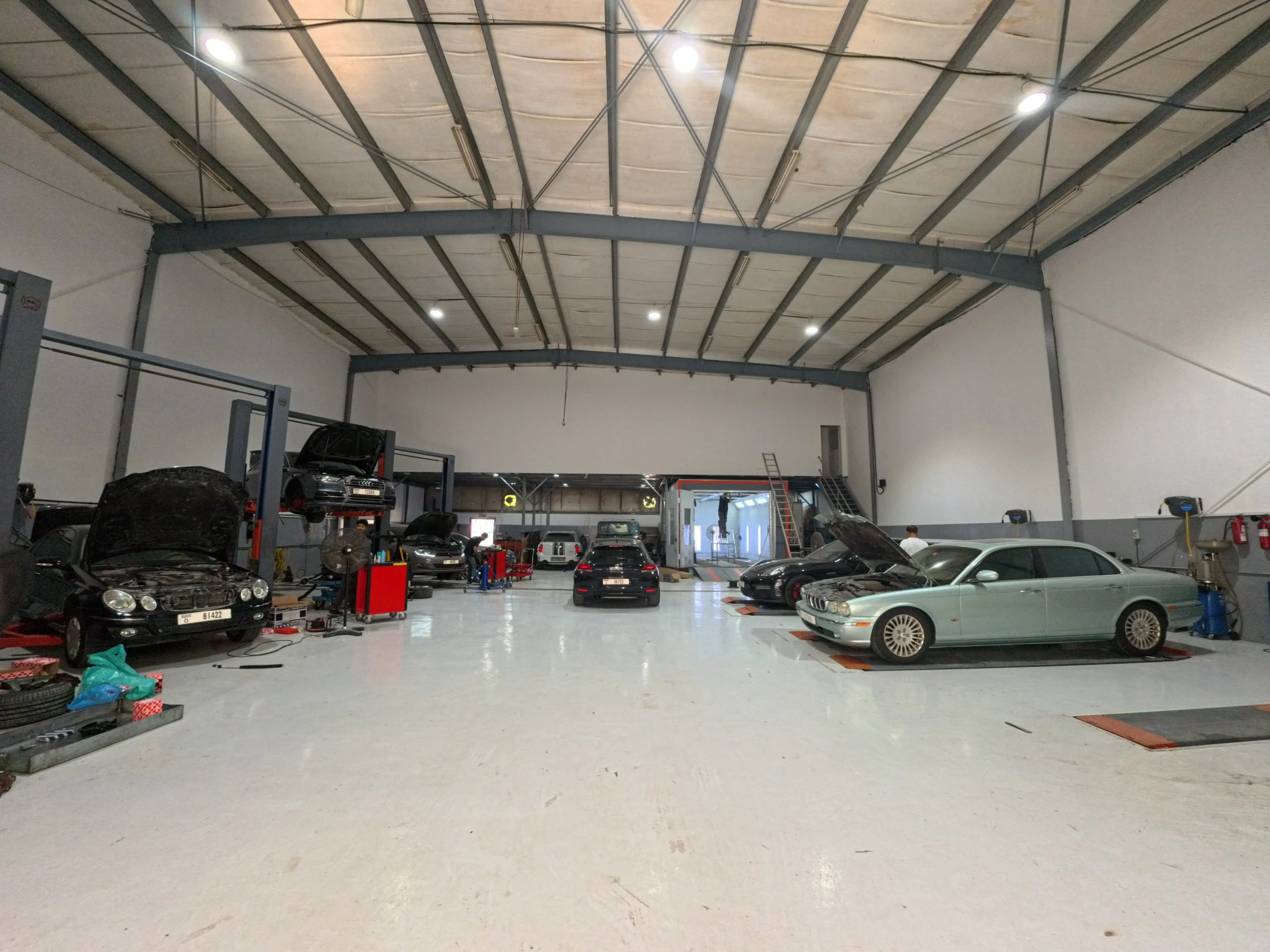
At AMA Auto, suspension assessments are approached as a complete vehicle-handling concern, not a quick replacement decision. The goal is to identify the source of the complaint, recommend only the work that is justified, and help you understand the condition of the parts that remain.
If your car no longer feels planted, quiet, and predictable, do not wait for a major failure or a ruined set of tires. A timely inspection can turn an uncertain driving experience into a clear repair plan and help preserve the way your vehicle was meant to handle.