
Mercedes Transmission Repair Specialist Guide
A hard shift at a traffic light, a delay when you move from Park to Drive, or a sudden transmission warning on the dash – these are the moments when a Mercedes owner starts looking for a mercedes transmission repair specialist, not a general repair shop. Transmission faults in Mercedes vehicles are rarely simple, and guessing can get expensive fast.
Mercedes transmissions are tightly integrated with electronics, software, hydraulic controls, and engine behavior. That means the real issue is not always the symptom you feel. What seems like a slipping gearbox could be a conductor plate fault, low fluid quality, a valve body issue, a wiring problem, or adaptation values that no longer match the condition of the transmission. Accurate diagnosis matters as much as the repair itself.
Why a Mercedes transmission repair specialist matters
Mercedes models are built with transmission systems that demand brand-specific knowledge. Different platforms use different gearboxes, control modules, service procedures, and calibration requirements. A technician who works mainly on general automatic transmissions may identify the obvious fault but miss the root cause that led to it.
A proper Mercedes transmission repair specialist understands the patterns common to Mercedes-Benz gearboxes, including issues tied to 7G-Tronic and 9G-Tronic units, torque converter behavior, transmission control modules, and electronic adaptation. This matters because replacing parts without confirming the cause often turns one repair bill into two.
There is also a practical side to specialization. Mercedes transmission work is not only about opening the gearbox. It may involve computer diagnostics, fluid inspection, software checks, coding, mechatronic evaluation, road testing, and post-repair adaptation. If a workshop cannot handle that full process in-house, the result is usually delay, confusion, or incomplete repair.
Common signs your Mercedes transmission needs attention
Transmission problems usually start small. Many drivers notice a change in behavior before they see a warning light. The mistake is waiting until the vehicle goes into limp mode or refuses to shift properly.
If your Mercedes hesitates before engaging Drive or Reverse, shifts roughly between gears, jerks at low speed, slips under acceleration, or feels unusually slow to respond, it should be inspected. A burning smell, fluid leaks, vibration while shifting, or a transmission warning message are stronger signs that the issue is already developing beyond normal wear.
Some faults come and go at first. That does not make them minor. Intermittent shifting problems often point to electronic or sensor-related issues, and those can become harder to diagnose once multiple fault conditions appear. Early testing usually gives a clearer picture and may reduce the extent of repair needed.
Not every transmission symptom means a full rebuild
This is where honest diagnostics protect the customer. A harsh shift does not automatically mean the transmission is failing internally. In some Mercedes vehicles, the cause may be a control module issue, fluid contamination, worn mounts affecting driveline feel, or software adaptation that needs correction after components age.
On the other hand, continued driving with slipping, overheating, or delayed engagement can turn a repairable issue into a full overhaul. The right workshop will explain the difference clearly instead of jumping straight to the most expensive option.
How a specialist diagnoses the real problem
Good transmission repair starts with evidence, not assumptions. A specialist will usually begin with a road test to verify the complaint, then scan the vehicle using Mercedes-capable diagnostic equipment to read transmission and related control unit data. Generic scan tools often miss key manufacturer-specific information.
From there, the inspection should move into the details. Fluid condition can reveal overheating, contamination, or internal wear. Fault codes can point to speed sensors, solenoids, conductor plates, valve body behavior, or communication issues between modules. Live data helps confirm whether the transmission is receiving and executing shift commands properly.
In some cases, the transmission is not the only system involved. Engine misfires, voltage irregularities, cooling issues, and even software faults can affect shift quality. That is why specialist diagnosis looks at the whole vehicle, not just the gearbox in isolation.
Mercedes transmission repair specialist services you may need
The correct repair depends on the fault pattern, mileage, transmission type, and how long the symptoms have been present. Some vehicles need targeted component replacement, while others need internal repair.
A Mercedes transmission repair specialist may recommend transmission service if the fluid has degraded and no major internal damage is present. In other cases, the repair may involve replacing the conductor plate, valve body components, transmission mounts, wiring connections, seals, or a faulty control unit. If there is significant clutch pack wear, metal debris, or severe slipping, an overhaul or replacement transmission may be the safer long-term option.
The trade-off usually comes down to condition and value. A lower-cost repair can make sense if diagnostics clearly isolate the issue and the rest of the unit is healthy. But if the gearbox shows broader internal wear, piecemeal work may only delay a larger repair. A trustworthy workshop should be direct about that.
Repair vs. rebuild vs. replacement
Repair is best when the fault is specific and the transmission is otherwise sound. Rebuild makes more sense when several internal parts are worn but the transmission housing and major hard parts remain usable. Replacement can be practical when the existing unit has extensive damage or when downtime matters more than rebuilding labor.
There is no universal answer. The right choice depends on test results, parts availability, budget, and how long you plan to keep the vehicle.
What owners should ask before approving work
If a shop cannot explain what failed, how they confirmed it, and what alternatives exist, that is a red flag. Mercedes transmission work should come with a clear diagnosis, a written estimate, and realistic expectations about turnaround time.
Ask whether the workshop has experience with Mercedes transmission systems specifically, whether they use proper diagnostic equipment, whether adaptation or coding is included after repair, and whether they inspect related systems that may have contributed to the fault. You should also ask what parts will be used and whether the estimate covers fluid, seals, programming, and testing.
Clear communication matters as much as technical skill. Transmission repairs can vary in scope once inspection begins, so the workshop should contact you before adding cost, not after the work is already done.
Why pricing varies so much
Many owners are surprised by how wide the price range can be for transmission repair. That is because “transmission problem” is not one job. A fluid and filter service, conductor plate replacement, valve body repair, and full rebuild all fall into the same category, but they are completely different in labor and parts cost.
Vehicle model also matters. Newer Mercedes systems with more complex electronics and tighter integration often require more diagnostic time and specialized setup after repair. Parts quality matters too. Cheap shortcuts may lower the initial invoice, but poor-quality components or incomplete procedures often lead to repeat failures.
That is why fair pricing is not always the lowest number. It is accurate diagnosis, a transparent estimate, and repairs that solve the issue properly the first time.
Choosing the right workshop for long-term reliability
When your transmission starts acting up, speed matters, but so does discipline. The right workshop does not guess, oversell, or rush through a complex diagnosis. It checks the complaint carefully, explains the findings in plain language, and recommends repair based on the actual condition of the vehicle.
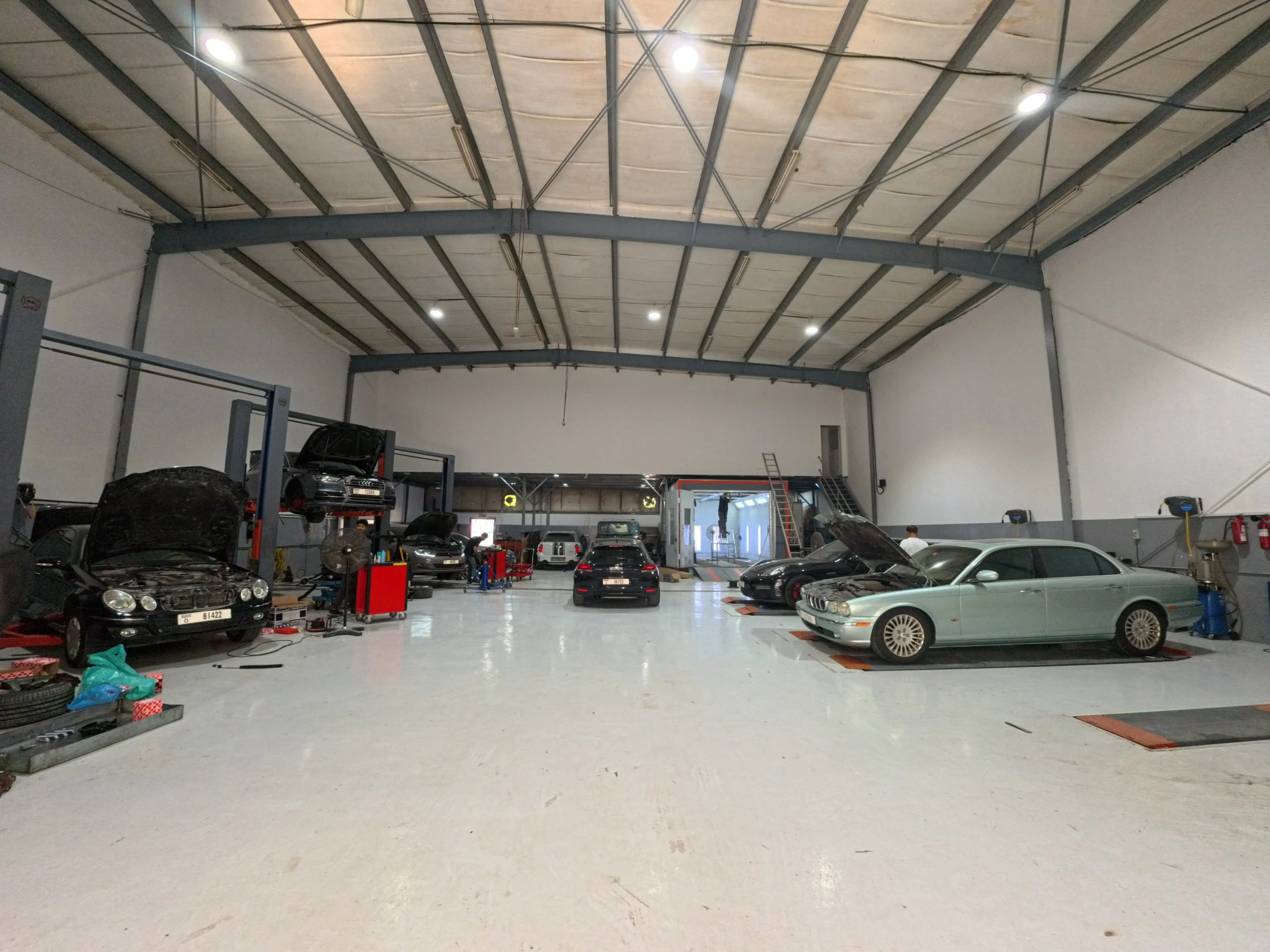
For Mercedes owners in Dubai or Sharjah, this is especially valuable when the car is a daily driver and downtime affects work, family schedules, or business. A service-led specialist with strong diagnostic capability can often save both time and money by identifying the issue early and handling the repair process properly from start to finish. That is where a workshop like AMA Auto fits best – technical depth, transparent estimates, and repair decisions based on what the car truly needs.
If your Mercedes is shifting differently than it used to, do not wait for the fault to become obvious. Early inspection gives you more repair options, less risk of secondary damage, and a better chance of keeping the transmission reliable for the long run.