
How Long Does Engine Rebuild Take?
You usually ask how long does engine rebuild take when the car is already down, the estimate is in your hand, and you need a realistic answer rather than a guess. The short version is this: a standard engine rebuild often takes anywhere from several days to two weeks, but the real timeline depends on engine condition, parts availability, machining needs, and how much damage is found after teardown.
That range sounds broad because engine rebuilds are not all the same job. Rebuilding a naturally aspirated four-cylinder with good parts access is very different from rebuilding a turbocharged German engine with internal damage, timing system wear, oil contamination, or related cooling problems. A trustworthy workshop should give you a staged timeline, not a vague promise.
How long does engine rebuild take in real shop conditions?
In real shop conditions, an engine rebuild usually moves through inspection, removal, teardown, machine work, parts ordering, reassembly, installation, and final testing. If each step goes smoothly, the job can be completed in less than a week on simpler vehicles. On more complex engines, especially premium European models, it can take one to three weeks.
The biggest reason customers get frustrated is that they hear one number early on, then the job grows after the engine is opened. That is not always poor planning. Sometimes the only honest way to assess an engine is to inspect internal wear directly. Bearings, cylinder walls, pistons, crank journals, valve train components, and oil passages often tell the real story only after teardown.
A shop that handles engine work properly will usually avoid locking in an exact completion date before this stage. That is a good sign, not a red flag.
What affects how long an engine rebuild takes?
The timeline depends first on why the engine failed. If the issue is limited wear from mileage and the major hard parts are still usable, the rebuild is more straightforward. If the engine suffered overheating, oil starvation, timing failure, or metal contamination, the work expands quickly.
Machine shop work is one of the biggest timing factors. Cylinder head resurfacing, valve work, block inspection, cylinder honing or boring, crankshaft polishing, and cleaning all add time. These steps are not optional shortcuts if the goal is reliability. Skipping them may save a day now and cost an engine later.
Parts supply also matters more than most drivers expect. Gaskets, seals, rings, bearings, timing components, oil pumps, water pumps, head bolts, and sensors may all be needed. On German vehicles, some parts are easy to source while others are not, especially if the engine variant is less common or if original-quality parts are preferred over the cheapest available option.
Then there is the vehicle itself. A rebuild on a car with tight engine packaging, extra electronics, turbo plumbing, and complicated cooling systems simply takes longer to remove, reinstall, and test. This is why two rebuilds can have similar internal work but very different labor times.
A typical engine rebuild timeline
A practical way to think about the job is in phases rather than one total number.
The first phase is diagnosis and confirmation. This can take a few hours to a day, depending on how much testing is needed before the engine comes out. Compression loss, bearing noise, coolant contamination, misfire history, and oil pressure issues all need to be verified.
The second phase is engine removal and teardown. On some vehicles this is relatively fast. On others, especially premium models with crowded engine bays, it can take one to two days to remove components carefully and document what is found.
The third phase is inspection and machine work. This is where a rebuild either stays on track or extends. If the block, crank, head, and rotating assembly are salvageable, the process moves forward. If cracks, severe scoring, warped surfaces, or damaged turbo-related components are found, additional parts and machining may be required. This phase often takes several days on its own.
The fourth phase is reassembly. A proper rebuild is not just putting parts back together. Clearances must be measured, sealing surfaces prepared correctly, timing aligned precisely, torque specs followed, and wear items replaced where needed. On modern engines, this is precision work.
The fifth phase is installation, fluid service, startup, adaptation, and road testing. A rebuilt engine should not leave the workshop without careful testing for leaks, temperature control, oil pressure behavior, fault codes, and drivability. This final stage may take another day or two.
Why some rebuilds take longer than expected
The most common delay is hidden damage. An engine that came in for low compression may also have valve damage, cylinder wall scoring, or bearing wear. An overheating engine may have a warped head, damaged gasket surfaces, or cooling system faults that caused the failure in the first place.
The second common delay is waiting on machine work or parts. Even an organized workshop cannot assemble an engine with the wrong bearing size, missing head bolts, or a cylinder head that is still at the machine shop. Rushing that stage creates bigger problems later.
The third is related repairs. A proper engine rebuild often reveals items that should be addressed at the same time, such as the radiator, thermostat, oil cooler, timing set, mounts, ignition components, injectors, or turbo oil lines. Technically, you can ignore some of them. Practically, doing so can put the rebuilt engine at risk.
There is also a trade-off between speed and quality. If you want the car back as fast as possible, corners can be cut. Most drivers who have already paid for major engine work would rather avoid that.
Rebuild versus engine replacement
Some owners ask about timing because they are deciding between rebuilding the engine they have and replacing it with a used or remanufactured unit. Time is part of that decision, but not the only part.
A used engine may seem faster if one is immediately available, but there is still removal, installation, fluid service, testing, and sometimes parts swapping to make it compatible. There is also uncertainty. A used engine can save time upfront and create more downtime later if its history is unclear.
A rebuild usually takes more labor and more planning, but it gives the workshop a chance to inspect, measure, and restore the actual engine in your car. For owners who want confidence rather than a gamble, that can be the better route.
What a good workshop should tell you
If you are asking how long does engine rebuild take, the best answer from a professional shop should include both a likely range and the reasons it could change. You should expect a clear explanation of the process, an estimate based on what is known so far, and updates once the engine is opened.
Good communication matters almost as much as technical skill on a rebuild. Customers do not expect perfection on day one. They expect honesty. If more damage is found, you should know what it is, how it affects the timeline, and whether it changes the value of proceeding.
This is especially important on BMW, Mercedes, Audi, Porsche, and other premium vehicles where engine systems are closely integrated and small errors can become expensive. Specialist experience helps shorten avoidable delays because the team already understands common failure points, parts requirements, and correct rebuild procedures.
How to avoid unnecessary delays
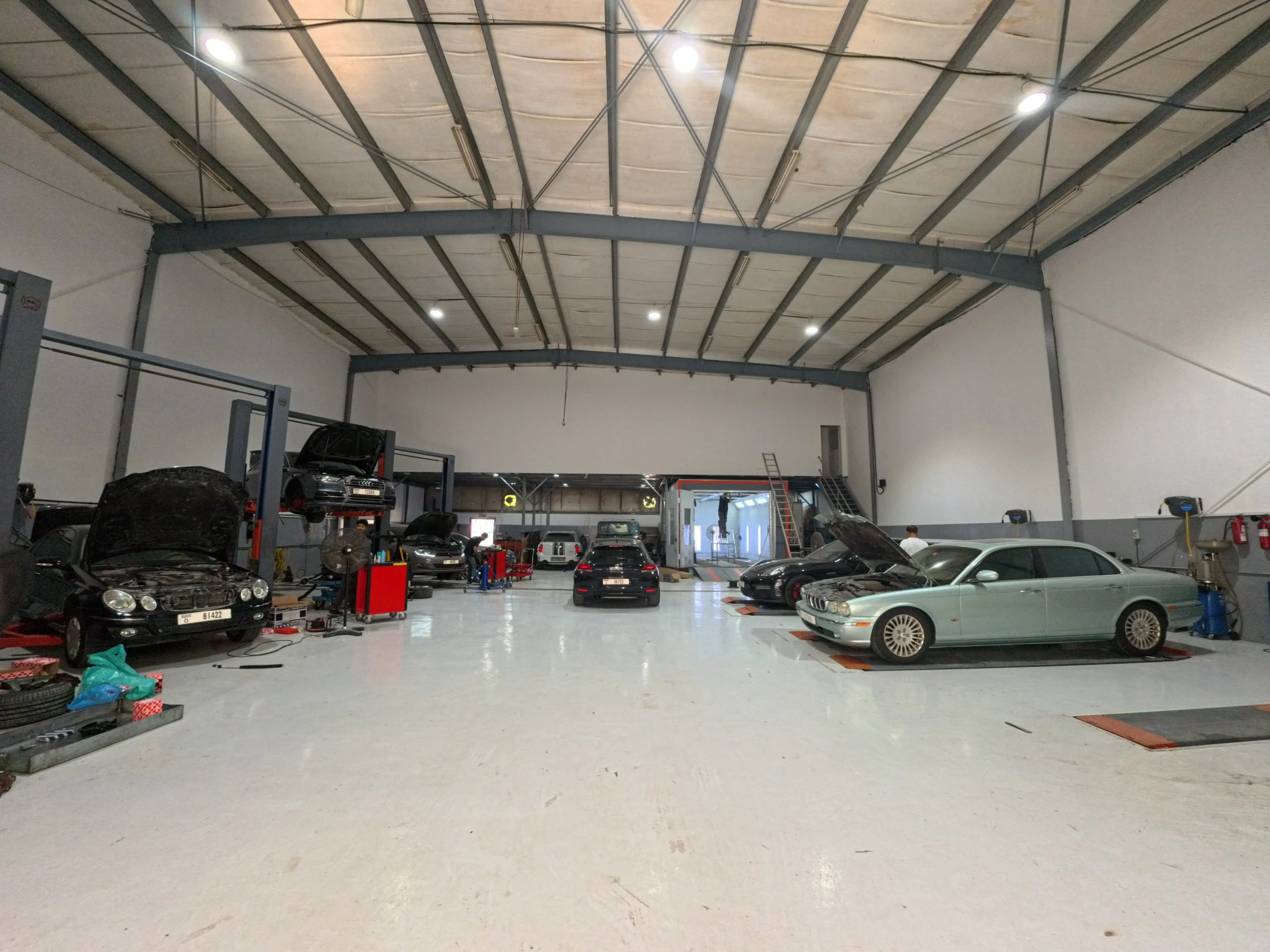
The easiest way to keep an engine rebuild moving is to approve diagnosis quickly and choose a shop that is equipped for major mechanical work rather than light maintenance only. Delays often begin when a vehicle is moved between multiple vendors for teardown, machining, parts sourcing, and final assembly.
It also helps to ask the right questions early. Ask whether the estimate includes teardown inspection, whether machine work is done through trusted partners, how parts quality is selected, and when you can expect an update after disassembly. Those questions usually tell you how organized the process will be.
If your vehicle is a daily driver, plan for the longer end of the range. Best-case estimates are useful, but realistic planning is better. In a professional workshop, rebuilding an engine is not a rushed job. It is a measured one.
At AMA Auto, that approach matters because dependable turnaround is not about making promises that sound good on day one. It is about diagnosing accurately, rebuilding carefully, and keeping the owner informed at each stage.
If your engine has reached the point where rebuild is on the table, the right question is not just how many days it will take. It is whether the work will be done carefully enough that you do not have to do it twice.